

Traditional yoga teachings and the thrilling buzz of a real-time game like Cash or Crash Live look worlds apart https://cashorcrash.live/. But if you examine the behaviors of players in the UK who steadily perform well, a fascinating trend appears. A significant number of them use yoga or mindfulness in their daily routine. This isn’t about performing a handstand while you press ‘cash out’. It’s about the mental toolkit that yoga cultivates over time. The concentration, mental balance, and focused perspective you gain on the mat form the specific kind of tactical calm needed for Cash or Crash Live’s rising multipliers and unexpected crashes. Let’s examine this unforeseen link. I’ll illustrate how the inner stillness from yoga can be a true, if remarkable, advantage for players who want a more aware and controlled way to interact with the game.
The Unlikely Synergy: Awareness Encounters Multiplier
Cash or Crash Live is, at its essence, a test of choice under pressure. The plane rises, the multiplier ticks up, and the tension intensifies. You can sense the crowd’s atmosphere and the host’s urgent commentary. The choice seems clear: cash out securely or risk it for more. The real complexity resides inside the player’s own head. This is where yoga’s ancient practices find a modern purpose. Yoga, especially its mental training, trains you to watch your thoughts and feelings without getting swept away by them. It builds a tiny gap between something occurring (the multiplier soaring) and your gut impulse (greed, fear). For a player, this skill means watching the plane’s thrilling ascent without letting that excitement dictate your move. That small pause, built through regular meditation, is where a planned tactic can beat a panicked reaction. It transforms the game from a blur of randomness to a sequence of intentional choices.
From Pose to Analysis: The Shared Groundwork
Yoga and strategic gaming both start with self-knowledge. On the mat, you practice to check in with your physical self, noticing stiffness or discomfort without judgment. During a Cash or Crash Live round, the same skill applies to your emotional mood. Are your shoulders hunched with tension? Did your breathing get shallow when the multiplier hit 5x? The bodily consciousness you develop in yoga acts as an early alert system at your screen. Yoga also emphasizes the process more than the end. A good practice is one where you arrived and paid focus, not just one where you nailed a difficult position. You can approach a gaming session the same manner. Success can mean following your budget and your plan, whether you cashed out modestly or a round crashed early. This mindset, familiar to anyone who engages in yoga often, helps guard against the annoyance and chasing losses that undermines smart strategy.

Composed Approach: Implementing Calm in the Round
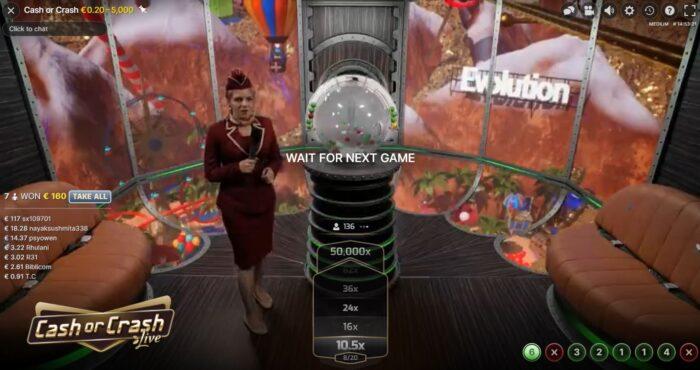
What is this serene approach really appear during a round of Cash or Crash Live? Picture this situation. You create a boundary for yourself: you’ll consider cashing out at 5x, but you will absolutely cash out by 10x. The aircraft takes off. At 3x, you sense a strong urge to exit early, troubled by a failure you observed last time. Your mindfulness practice helps you identify that urge for what it is: just a notion, a recollection from the past. You notice it, release it, and go back to your initial plan. The multiplier value reaches 5x. This is your moment of choice. Instead of a frantic internal debate, you draw a deliberate breath. Your awareness, habituated to focus, assesses the state with clarity: your funds, your goals, the simple odds of the contest. Whether you opt to cash out or keep going, the choice feels deliberate. It doesn’t feel like a response motivated by fear.
Creating Your Mental Exercise: A Beginner Guide
You needn’t be a yoga specialist to get these rewards. You can start creating this mental training today, away from your screen. Do just five minutes of focused breathing each morning. Sit comfortably, set a timer, and count your breaths. Your mind will wander. That’s expected. Just guide it back to the count. This is the core exercise for mental focus. Next, add a short body scan. Lie down and slowly move your attention from your toes to the top of your head, just observing how each part feels. This enhances the self-awareness you need to identify tension when you play. Finally, cultivate Santosha away from the game. Each day, find one small thing to appreciate without any strings attached. This aids rewire your brain’s reward system so it isn’t solely fixated on outcomes. These small, regular practices build the neural pathways that enable calm decisions the next time you log into Cash or Crash Live.
The British Perspective: A Culture Welcoming Attentive Gaming
This link between yoga and gaming makes special sense in today’s UK. The environment around gaming here is transitioning toward more conscious consumption and accountable play. Bodies like the UK Gambling Commission encourage this change. More players are searching for ways to enjoy games of chance with greater control and less anxiety. Yoga and mindfulness match right into this modern approach. They don’t promise more wins—nothing can do that. Instead, they enhance the quality of your experience and safeguard your mental state. The UK audience has a established interest in both strategic gaming and holistic wellness. Adding a mindfulness practice like yoga allows players connect their gaming to a wider lifestyle concentrated on self-awareness and balance. It transforms gaming from something that might drain you to a conscious form of leisure where pleasure and personal control come first.
Nurturing the Player’s Mind: Yoga’s Core Tenets
How does this operate in practice? Three yogic ideas have direct application for a player. The first is Santosha, or contentment. This isn’t about giving up. It’s about actively opting to be satisfied with your present state. In the game, this means experiencing good about cashing out at 3x instead of blaming yourself for missing a 10x multiplier that later crashed. It builds a healthier relationship with winning and stops the “that wasn’t enough” emotion. Next is Aparigraha, non-attachment. Yoga promotes you to experience things without grasping to them. For a player, this is the ability of letting a round go the second it ends. Win or lose, you clear the slate. You initiate the next round with a fresh mind, not weighed down by the last result.
The Strength of Equanimous Breath
The third principle is the most applicable one: Pranayama, or breath control. Your breath is a direct connection to your nervous system. During a tense round, fear sparks a fight-or-flight response. Your breath gets shallow, your heart pounds, and your thinking declines. A basic yogic breathing method, like making your inhales and exhales the same length, can halt this cycle. By deliberately calming and deepening your breath while you play, you signal to your body there’s no physical threat. This physical calm ensures your brain working properly. You can recall your strategy, think about the odds, and make your decision without panic. It’s a real instrument any player in the UK can use in the moment. It converts potential stress into a collected, strategic activity.
Outside the Game: Comprehensive Advantages for the Gamer
The best part of a yogic mindset is that the payoffs don’t stop when you exit the game. The focus you cultivate will carry over into your work and personal life. The emotional resilience you build lets you handle everyday obstacles and stresses with more poise. Practicing non-attachment can even enhance your relationships by making you less impulsive. For players in the UK managing busy, often stressful city lives, this wider benefit is important. You aren’t just becoming a more composed player. You’re collecting tools for a more composed life. The game turns into a training ground for these abilities, a controlled space to monitor your impulses and choose your response. Considered through this mindful lens, Cash or Crash Live becomes more than entertainment. It becomes part of a personal growth process where every round shows you something about staying present and poised.
Typical Mistakes and Maintaining Balance
We need to address a few likely confusions. This approach is not a magic formula to win more money. Treating it that way is a mistake. The goal is mastery over your own reactions, not mastery over the game’s algorithm. If you use mindfulness only to “win more,” you’ve brought back the very attachment the practice warns against. Another pitfall is ignoring the basics of responsible gaming. No breathing exercise justifies blowing your budget or playing to escape bad feelings. Your yoga practice should sit within a balanced lifestyle. That lifestyle must include strict deposit limits, regular breaks, and treating gaming as one fun activity among others. Real balance means your mindfulness allows you to step away from the screen feeling centred, whether you’re ahead or behind, because you never staked your self-worth on the outcome.
The link between yoga and success in Cash or Crash Live reveals how our internal state colours everything we do. Using ideas from yoga’s long history—focus, contentment, non-attachment, breath awareness—players in the UK can cultivate a different kind of relationship with the game. This method fosters strategic composure, supports responsible play, and transforms each session into a practice in conscious choice. It boils down to bringing a calmer, clearer version of yourself to the screen. That makes the experience more enjoyable, and it places you firmly in control of how you play.