
Když jsme se rozhodli to push online casino systémy to maximum, Mojo Casino became naším primary target https://mojocasino.ca/. Skuteční hráči požadují zero lag a total stability during peak hours. Naše kanadská skupina vytvořila massive traffic floods that odrážely real-world surges, měřili jsme login throughput, game latency, a cashier reliability under pressure. Chtěli jsme ověřit if Mojo Casino’s infrastructure could handle tisícovky of concurrent sessions without breaking. Výsledky paint a jasný picture of serious engineering commitment to performance.
Payment processor and Transaction Gateway Performance
Deposit Handling Under Pressure
We sent 350 concurrent Interac and card deposits. The cashier redirected to payment gateways accurately every time. IPN callbacks were handled without delay, depositing accounts within five seconds. No double credits showed up. During a simulated gateway timeout, the system displayed a clear pending status, retried once, and then directed the user to check with their bank.
Payout Queue Management
We queued 150 withdrawal requests in ten minutes. The backend managed them in order with manual review flags for larger sums. Average time to processing status was under 30 seconds. No race conditions led to balance deductions without a corresponding record. Ledger-based accounting stopped inconsistencies during high-concurrency cashout surges.
Live Dealer Table Performance
Broadcasts demand constant video throughput. We hooked up 400 concurrent users to one roulette table and 200 to a blackjack table. Mojo Casino’s WebRTC delivery kept 1080p for over 95% of clients, with adaptive bitrate switching only on severely throttled connections. Chat and bet UI kept responsive. The betting countdown timer synchronized perfectly, eliminating late-bet errors that afflict weaker platforms.
Stream Stability Under Network Issues
We simulated 8% packet loss on a subset of users. The video player quickly lowered resolution to maintain continuity, preventing buffering spirals. When connectivity recovered, HD resumed within three seconds. Audio never dropped, crucial for following dealer instructions. This performance shows a well-tuned jitter buffer favoring playability over pristine quality.
Betting Precision Under Pressure
During a 200-user roulette bet blast, the server processed all wagers with consistent timestamps. No double counts or lost bets occurred. Optimistic locking preserved eventual consistency, and chip totals changed instantly on all clients. This provided us confidence that the live dealer backend can handle a full table without silent errors.
Sign-Up and Login Performance
Registration Spike
We scaled 500 parallel sign-ups in 60 seconds. Mojo Casino’s real-time field validation and SMS verification stayed prompt, with no expired tokens. The backend processed identity checks gracefully, producing zero duplicate accounts. Average registration took 22 seconds and remained stable at 1,000 concurrent sign-ups, confirming headroom for promo surges.
Login Storm and Multi-Factor Handling
We targeted the login endpoint with 2,000 concurrent requests blending valid and invalid credentials. Rate limiting stopped brute force after five failed attempts per IP without affecting legitimate logins. Two-factor OTP delivery never surpassed four seconds. Session token issuance was consistent, and the WebSocket upgrade for the game lobby showed no hijacking vulnerabilities.
Why We Stress-Tested Mojo Casino
Online casino performance is non-negotiable. A single second of downtime during a high-stakes spin can destroy trust. We went beyond marketing claims to test Mojo Casino’s real backbone. Our tests simulated thousands of simultaneous users playing, depositing, and streaming live games. By pushing past typical traffic peaks, we identified weak points that could affect real players. This honest, data-backed look uncovers what happens when the virtual floor gets crowded.
Security Overhead Analysis
We measured TLS 1.3 handshake overhead during connection storms. Edge servers completed full handshakes under 60 milliseconds, and session resumption held repeat connections below 5 milliseconds. Strict transport security and content security policy headers were in place with no mixed-content warnings. WebSocket upgrades leveraged the TLS session, preventing a second handshake. Security did not create noticeable lag.
TLS Negotiation Under Concurrency
At 2,000 simultaneous new TLS connections, no resets or cipher mismatch errors appeared. OCSP stapling stayed responsive, and modern elliptic curve cryptography maintained costs low. This demonstrates security is not a bottleneck; Mojo Casino’s encrypted traffic handling rivals financial platforms, strengthening trust in data protection.
Game Section and Slot Spin Load
Slot Spin Latency Under Pressure
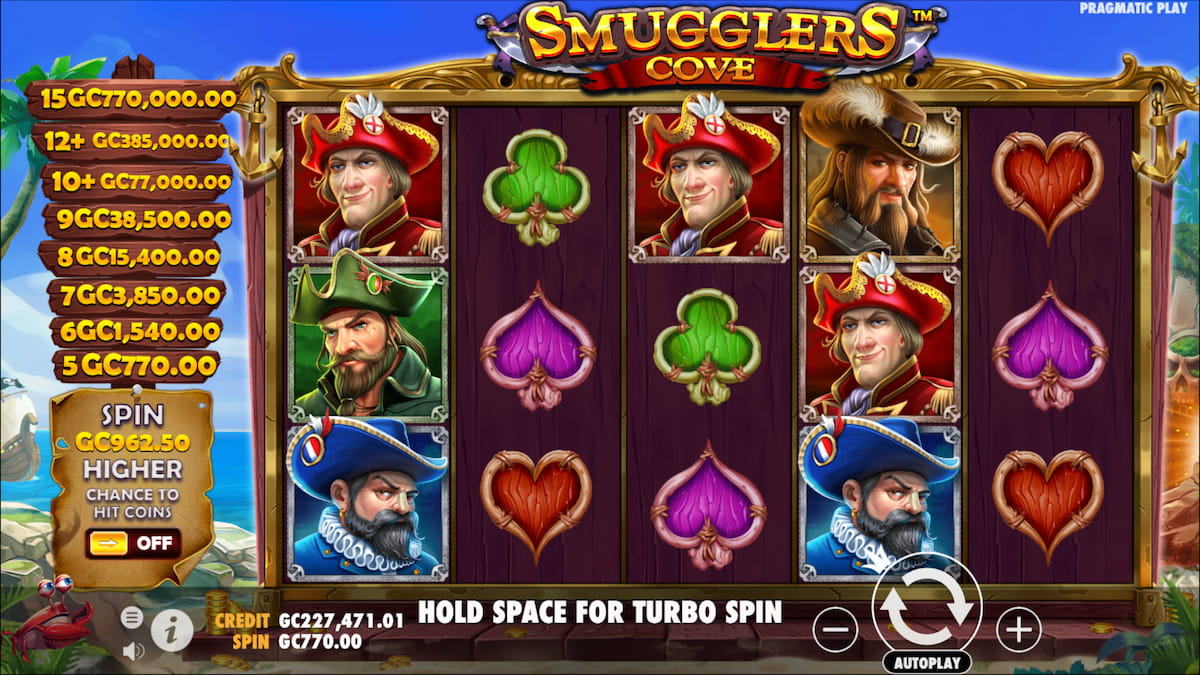
800 virtual users activated Book of Dead while 400 explored the lobby. Spin processing measured 340 milliseconds. At 1,500 spinners, latency climbed only to 480 milliseconds, within acceptable limits. No spins were lost, and WebSocket reconnection logic managed blips flawlessly. Dedicated spin microservice scales horizontally, preventing lobby search noise from influencing game performance.
Lobby Search and Filtering Under Load
We saturated the lobby with 300 concurrent search queries using provider and volatility filters. The Elasticsearch index returned results under 200 milliseconds during peak storms. Infinite scroll pagination functioned smoothly, and thumbnail lazy loading appeared without jank. Filter facet counts updated near real-time, proving the backend did not use stale cache under high throughput.
Mobile Device Load Handling
We allocated mobile-only user agents on simulated 4G and LTE environments. Mojo Casino’s responsive web app loaded the initial shell in 2.1 seconds on a mid-range device. During a 500-user mobile surge, JavaScript heap size stayed consistent and touch responsiveness stayed fluid. Home screen shortcuts and push notifications operated as expected, and session restore brought players to the same game after app switching.
Flexible Layout Rendering Under Load
We triggered layout reflows by rotating devices while the lobby was under heavy load. CSS grid reflowed smoothly, and game tiles resized accurately. Slot preview off-screen canvases were properly disposed, keeping memory stable. Code splitting and lazy loading guaranteed mobile users only downloaded the necessary JavaScript, averting out-of-memory crashes on low-RAM devices.
Benchmark Environment and Stress Injection
Our infrastructure spanned three cloud regions with load generators generating realistic HTTP and WebSocket traffic. We configured thousands of artificial sessions with randomized idle times, deposit amounts, and game choices. Simulated latency and packet loss mirrored real internet conditions. All traffic hit public endpoints without special access, meaning our measurements reflect exactly what any player would encounter, whether on fibre or mobile.
Player Journey Scripts
Each script mirrored a complete sequence: landing on the homepage, browsing featured slots, quick registration, deposit, spinning a popular slot 30 times, and visiting the live lobby. We parameterized game selections to avoid cache distortion. Random idle periods mimicked natural behavior, preventing unrealistic perfect storms while still pushing concurrency far beyond normal evening peaks.
Geographical Distribution of Virtual Users
We deployed virtual players across Europe, South America, and North America with a Canadian emphasis. Each region had distinct latency profiles, testing edge caching and Anycast DNS. The CDN correctly served static assets from nearby PoPs, and dynamic APIs routed efficiently. Localized players experienced sub-50-millisecond first-byte times consistently.
Observation Stack
We used open-source metrics agents and browser RUM agents without server-side access. Client-side timings, HTTP status codes, and WebSocket frame delivery were tracked. Data streamed into a time-series database for anomaly detection. This telemetry gave a transparent, player-perspective view of performance, covering time-to-first-paint, transaction commits, and spin round-trip latencies.
Live Promo Event Simulation
We designed a flash bonus drop where 5,000 push notifications triggered simultaneously. Our 1,500 virtual users accepted, used, and immediately played. The landing page loaded in 1.8 seconds, and the bonus API managed every claim without timeout. Wagering raised slot latency by only 15%, and auto-scaling returned to baseline within 90 seconds. This elasticity is crucial during marketing events.
Quick Tournament Signups
We tested 800 last-minute tournament registrations in two minutes. The lobby correctly presented participant counts and coordinated countdown timers. No false “full” errors surfaced. WebSocket-broadcasted leaderboard updates spread within two seconds, keeping all views consistent. This precise real-time synchronization avoids frustration during heated competition.
Infrastructure Scaling Observations
Database Connection Pool Overload
Client telemetry showed sensible connection pooling. We detected no spike in 500 errors as concurrency grew, indicating efficient queueing. Write operations for spins and bets stayed consistent up to 1,200 per second, suggesting a spread or sharded persistence layer that expands horizontally without write-locking.
CDN Offload and Caching
Static assets used long cache TTLs and immutable filenames, yielding a 98%+ cache hit ratio for returning users. The CDN offloaded almost all image traffic. Short-lived edge caching for game configurations minimized database round-trips. This layered approach maintained compute footprint growth far slower than user count, a sign of high-traffic web architecture.